

Hi, I’m Mason Perez. If you live in or around Edinburg, you know our weather doesn’t stay still. We’re in the subtropical southern edge of Texas where every season brings new environmental questions—and sometimes surprises. Let’s walk through what shapes our climate, what changes we’re seeing, and what it all means for our community.
What Defines Edinburg’s Climate
Edinburg sits in the Lower Rio Grande Valley, where our climate falls into a sub-tropical or semi-humid marine zone, with flat terrain and close proximity to the Rio Grande River and the Gulf of Mexico influencing humidity and rainfall. Annual average temperatures tend to stay warm—mild winters, very hot summers. Rainfall averages from about 15 to 30 inches per year, though it doesn’t come evenly. Most of our rain arrives in two main seasons: spring (March-May) and fall (late summer into early autumn), sometimes tied to tropical systems. A long dry stretch often falls during summer when heat and sun dominate.
Seasonal Shifts to Watch
Spring Growth, Summer Drought
Spring is our wetter season, with thunderstorms bringing needed moisture; it’s when plants spring to life and agricultural work presses forward. But as summer sets in, temperatures often exceed 95-100°F, and humidity spikes. These conditions trigger high evaporation and stress for both crops and people.
Fall’s Second Chance for Rain
In late summer and early fall, tropical moisture often returns. Hurricanes or tropical depressions offshore can send heavy rain our way, sometimes in short bursts. These rainfall events can replenish water supplies but also bring flash flooding risks in low-lying neighborhoods.
Mild Winters Aren’t Always Predictable
Winters here are generally mild and short. Snow or freezing temperatures are very rare—more common farther inland but seldom felt here in the Valley. Cold fronts from the north do arrive on occasion and may drop temperatures significantly for a day or two. But long cold spells are almost unheard of.
Environmental Trends and Concerns
Water Supply & Demand
Because of our climate—long heat, strong sun, seasonal rainfall—keeping up with water demand is always a challenge. Groundwater pumping, agricultural irrigation, and urban growth pull heavily on local aquifers. When dry years follow, reservoirs drop and conservation becomes critical. If rainfall is well below normal for several years in a row, the strain on water sources intensifies.
Native Vegetation and Wildlife
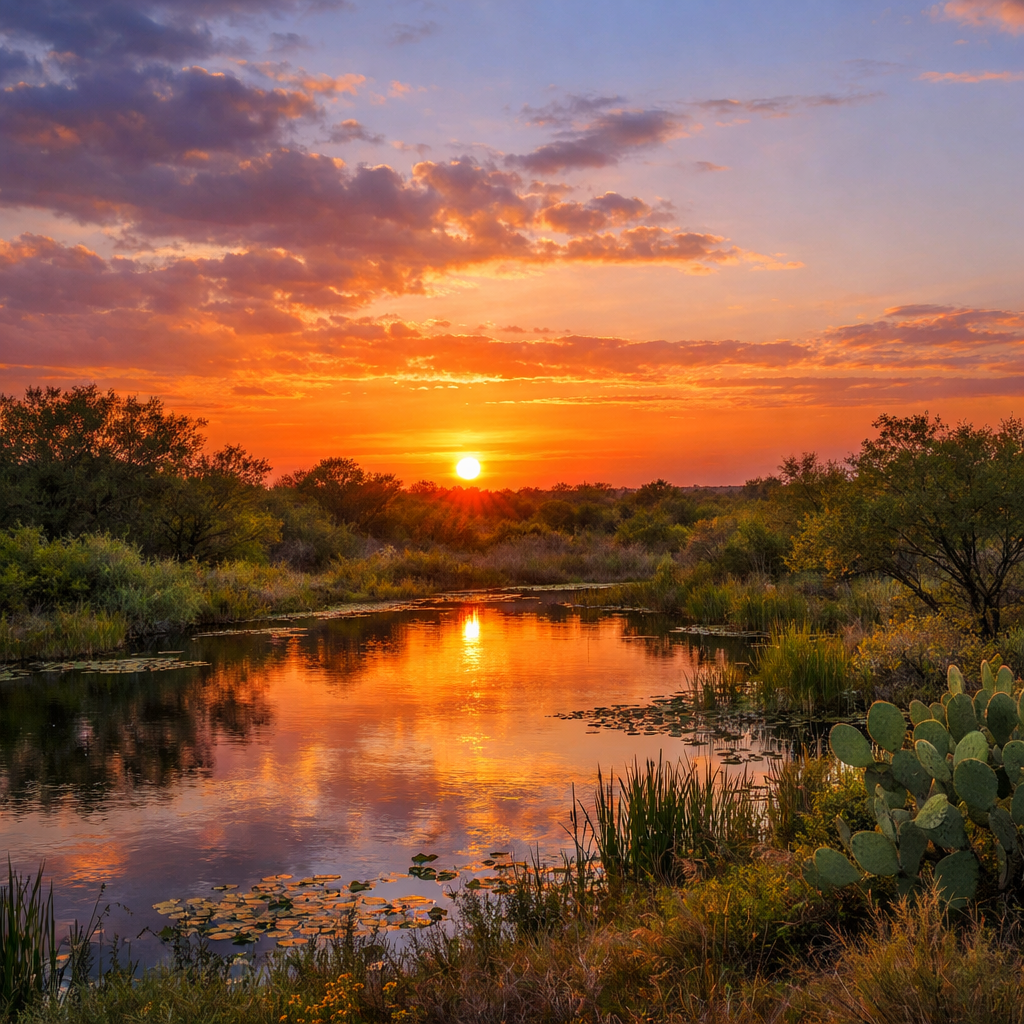
The natural landscape around Edinburg is part of the South Texas Plains: grassland, thorny shrubs like mesquite or prickly pear, resacas (old river channels), and patches of subtropical woodland along the Rio Grande. These ecosystems harbor unique plant and wildlife species, especially birds, that respond quickly to shifts in water availability. When drought hits or water levels fall, it directly impacts those habitats.
Climate Variability & Extreme Events
Our weather isn’t just about the seasons—it’s also about extremes. Intense heatwaves, heavy downpours during tropical storm activity, sudden cold snaps from invading fronts—all are parts of the picture. These fluctuations may test infrastructure, agriculture, and public health. Keeping an eye on weather forecasts and climate trends helps us prepare.
How We Can Adapt and Help
- Conserve water wherever possible—fix leaks, collect rainwater when safe, use efficient irrigation.
- Protect native plants and resacas; they help with flood control and support wildlife.
- Monitor heat exposure during summer; shade, hydration, and awareness can reduce health risks.
- Support public policies and infrastructure investments that build resilience: flood control, water treatment, green space.
- Stay informed via local AWOS weather stations and National Weather Service updates.
Edinburg’s weather shapes our way of life—what we grow, how we live, how we build. Understanding its patterns and changes is a vital step toward adapting responsibly. We might not be able to control the weather, but we can respond with resilience.